
Published on Apr 28, 2026 | 9 minute read
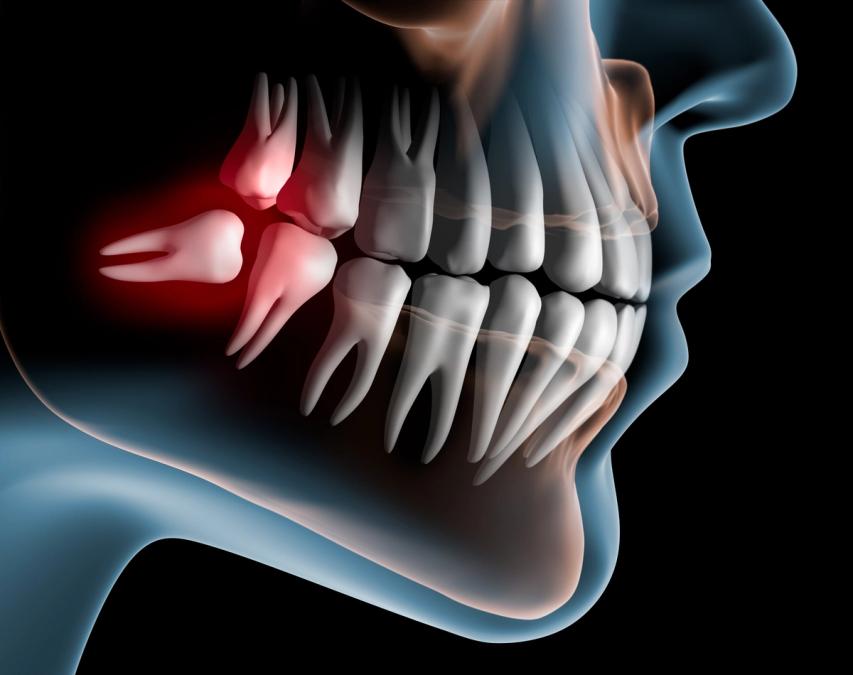
Not every tooth that grows in is meant to stay. Wisdom teeth are the last set of molars to develop, and while some come in without causing trouble, many do not have the space or position needed to function well. That is why wisdom teeth extractions are so common. These back teeth may become trapped, crowd nearby teeth, irritate the gums, or increase the risk of infection and damage over time.
At Woo Dental, wisdom teeth extractions are approached with careful planning, clear guidance, and a strong focus on comfort. Whether the teeth are already causing discomfort or are simply showing signs of future problems, the right evaluation can help determine if removal makes sense.
Wisdom teeth are the third set of molars, usually appearing in the late teen years or early twenties. They develop at the very back of the mouth, behind the second molars.
Some people have all four wisdom teeth, some have fewer, and some never develop them at all. In certain cases, they grow in normally and can be cleaned and used like other teeth. But often there is not enough room for them to come in properly.
When that happens, wisdom teeth extractions may be recommended to prevent pain, damage, or infection.
The jaw often does not have enough space to support extra molars at the back. As wisdom teeth try to come in, they may grow in at an angle, remain partly trapped under the gums, or stay fully impacted in the bone.
This can lead to problems such as:
When these risks are present, wisdom teeth extractions are often the most practical way to protect the rest of the mouth.
Some people first learn they may need wisdom teeth extractions during a routine X-ray. Others start noticing symptoms that bring attention to the issue.
Common signs include:
Even without symptoms, wisdom teeth extractions may still be recommended if imaging shows that the teeth are impacted or likely to create problems in the future.
Before recommending wisdom teeth extractions, the dentist will examine the mouth and take digital X-rays. These images help show:
This planning helps determine the complexity of the wisdom teeth extractions and whether all four teeth should be removed or only certain ones.
The exact process depends on whether the wisdom teeth are visible in the mouth or still under the gums or bone.
For simpler wisdom teeth extractions, the tooth may be loosened and removed much like another extraction. For impacted teeth, the process may involve:
The goal of wisdom teeth extractions is to remove the teeth as efficiently and comfortably as possible while protecting the surrounding tissue.
A common concern about wisdom teeth extractions is discomfort. The good news is that modern dentistry offers several ways to help make the procedure easier.
The area is carefully numbed before treatment begins. Depending on the situation and the patient’s comfort level, additional support such as sedation may also be discussed. For many patients, this makes wisdom teeth extractions feel much more manageable than they expected.
The team also provides instructions before and after treatment so you know how to prepare and what to expect during recovery.
Sometimes wisdom teeth are already painful when treatment is discussed. Other times, they are not yet causing obvious trouble, but they are positioned in a way that strongly suggests future problems. In those cases, many patients choose wisdom teeth extractions before things become more complicated.
There are several reasons for this approach:
Partially erupted wisdom teeth can trap food and bacteria, creating repeated irritation or infection around the gum tissue. Removing the teeth can reduce this cycle.
Wisdom teeth can sometimes push against neighboring molars or create areas that are difficult to keep clean. This can increase the risk of decay or damage in the teeth you depend on most.
Addressing the issue early may help avoid the sudden flare-ups that can happen when a wisdom tooth becomes inflamed or infected.
For many patients, wisdom teeth extractions can be easier earlier in life, before the roots are fully developed or bone becomes denser. The right timing depends on the case, but this is one reason younger adults are often evaluated.
Healing after wisdom teeth extractions usually involves a short recovery period, though the exact experience varies based on how many teeth were removed and how complex the procedure was.
Common expectations include:
Patients are usually advised to:
Following aftercare instructions carefully can make a big difference in comfort and healing after wisdom teeth extractions.
Not every wisdom tooth needs to be removed. In some cases, they come in fully, function well, and can be cleaned just like other molars. If they are healthy, accessible, and not harming nearby teeth, wisdom teeth extractions may not be necessary.
That is why a personalized evaluation matters so much. The decision should be based on your anatomy, the position of the teeth, and your long-term oral health, not just the assumption that every wisdom tooth must come out.
Wisdom teeth often raise an important question, not just about the teeth themselves, but about the health of the rest of your mouth. When these teeth are trapped, crowded, or difficult to clean, they can become a source of pain and preventable problems.
Wisdom teeth extractions are sometimes the best way to protect your neighboring teeth, reduce infection risk, and keep your smile healthier over time. With the right planning and support, the process can be far more straightforward than many patients expect.
If you are dealing with pressure, swelling, or concern about your back molars, now is a good time to get answers. Contact Woo Dental in Jersey City at 472 Central Ave, Jersey City, NJ 07307, (551) 298-3878 or in Lodi at 2 Memorial Dr #8b, Lodi, NJ 07644, (862) 394-0032 to schedule your consultation and find out whether wisdom teeth extractions are the right next step for your smile.


